

Reaching places of potential in Peru
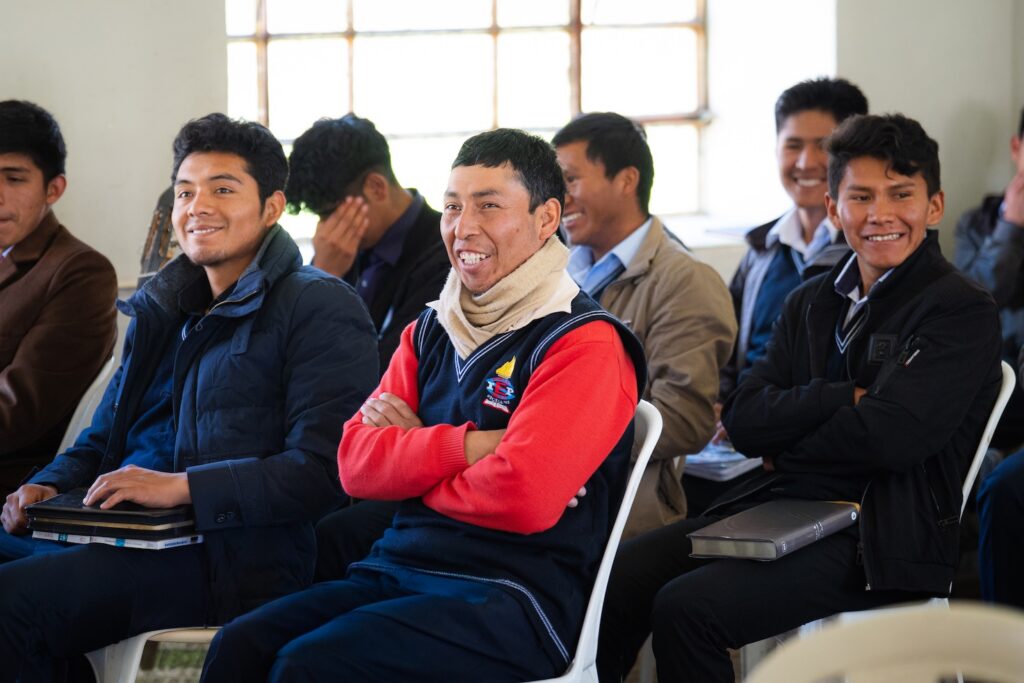
In the Andes mountains of Peru, small villages are scattered across the slopes, many with no more than 100 people or so.
Yabel Huahuasoncco, a seminary student, comes from one of these communities in the Chayabamba district, where people speak Quechua, not Spanish. Illiteracy is a huge problem, and while Catholicism is the predominant faith, it’s been blended with Incan idols and customs. As a result, the gospel message has been diluted, and most people don’t understand what Christian faith really means.
“People say they serve God. But at the same time they continue to practice their old customs, and that’s where we are,” Yabel says.
A challenge and opportunity
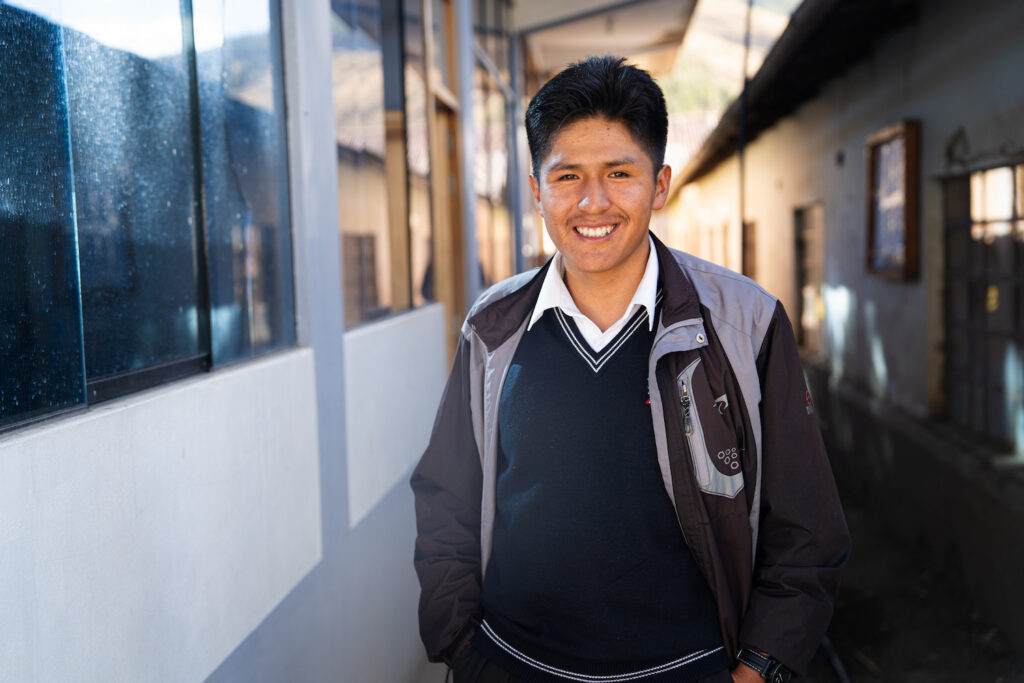
There’s a huge opportunity to reach the Quechuan community with the gospel. But faithful, trained leaders who can speak the language are scarce.
Yabel is studying at a small seminary in Sicuani, elevation 11,600 feet, that sits among these remote mountain villages. It’s an 800 mile drive from Lima that takes more than 23 hours to cover.
“I felt called by the Lord, out of love for the Church of Christ,” Yabel says. “That is why I decided to prepare myself, so that I could better teach my brothers and sisters.”
At the seminary, it’s challenging to find resources that speak to the unique Quechuan context and language. “We have to translate from Spanish into Quechua. So, with a book that has a lot of technical terms, it’s very difficult to convey that message into Spanish, understand it, and then into Quechua,” Yabel says.
Resources that meet the need
To address this problem, the seminary uses books from Ediciones Puma, a small Christian publisher in Lima supported by Langham. Puma works with authors in Peru and across Latin America to produce essential resources for Latin American pastors.
Get involved: Support publishers like the one in Peru
“Our mission at Ediciones Puma is to provide the tools that can enable the church to respond to its context,” says Benjamin Bravo, co-founder of Ediciones Puma. “From the very beginning of Ediciones Puma, our vision has always been of a church … that responds with the mission that God has entrusted to us to these realities and these problems.”
His guiding question as a publisher is: “How can we respond to our reality with the gospel in such a way that the church can have an impact on society?”
For Yabel and his fellow seminary students, Puma’s commentaries and other resources help them articulate the gospel in clear, simple terms that they are then able to communicate in Quechuan.
“[Puma’s books have] simple language that is easy to understand. And it’s easier for me to convey that message in the language they [the Quechuan people] understand,” Yabel says.
Langham’s key support
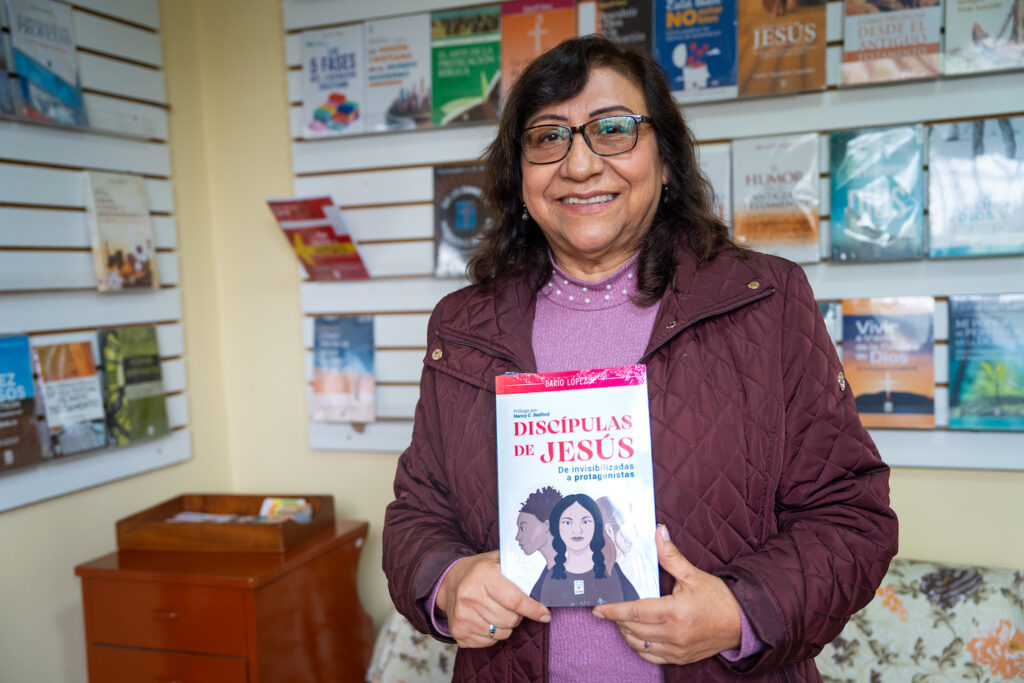
María Esther Ramírez, director of Ediciones Puma, says Langham support has been essential to produce these strategic resources.
Over the past six years, Langham has equipped Puma to publish more than 20 books. These books help church leaders like Yabel think biblically about issues facing Latin America like corruption, poverty and violence.
“We would not have been able to provide those books that are so important for preaching, for our reality and also for issues that are important for Latin America,” María said.